If you are struggling
This article explains the science. It is not medical advice.
More than sadness
Depression is a medical condition that affects mood, interest, sleep, appetite, energy and concentration, often for weeks or months.1TextbookPrinciples of Neural Science, 6th editionKandel, E. R., Koester, J. D., Mack, S. H. & Siegelbaum, S. A. · 2021 It is not a sign of weakness.
Changes in the brain
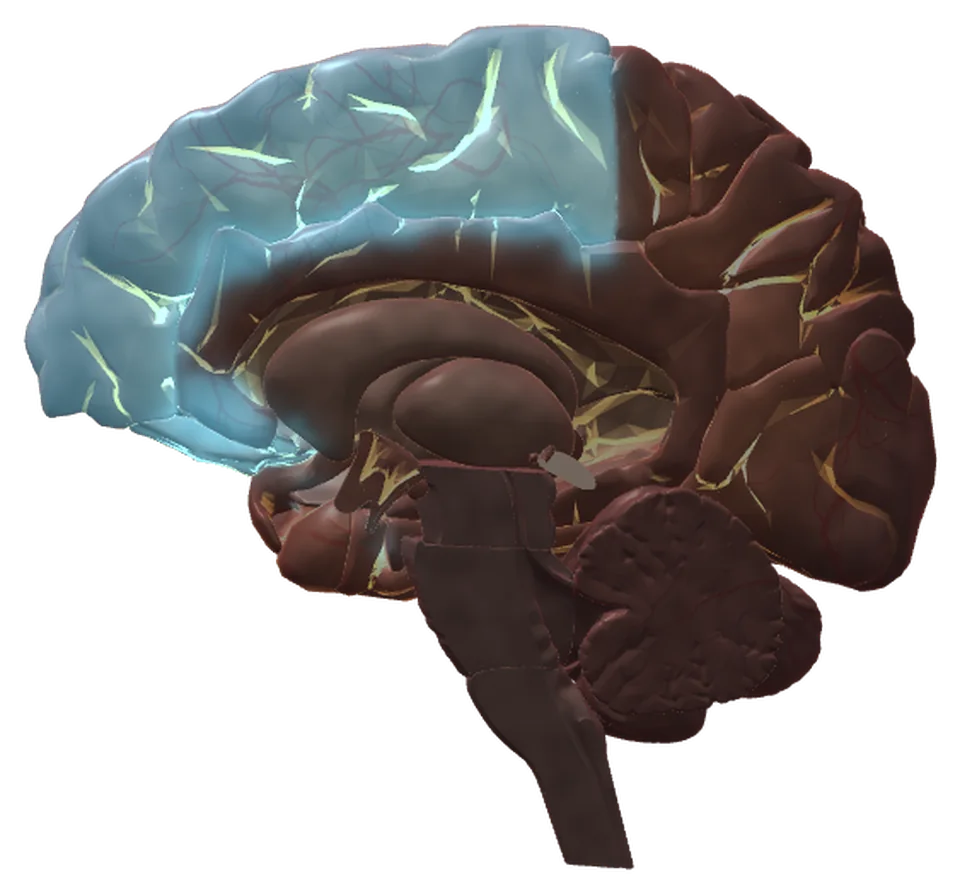
A study pooling brain scans from nearly 9,000 people found that, on average, people with depression had a slightly smaller hippocampus, mainly those whose depression had come back several times or started early.2Peer-reviewed studySubcortical brain alterations in major depressive disorder: findings from the ENIGMA Major Depressive Disorder working groupSchmaal, L. et al. · 2016 The differences are small and on average: they cannot be used to diagnose one person.
Is it a "chemical imbalance"?
The popular idea that depression is simply caused by low serotonin is not well supported: a 2022 review found no consistent evidence for it.3ReviewThe serotonin theory of depression: a systematic umbrella review of the evidenceMoncrieff, J. et al. · 2022 Yet antidepressants do help on average. An analysis of over 500 trials found that all 21 antidepressants studied worked better than a placebo for adults with major depression.4ReviewComparative efficacy and acceptability of 21 antidepressant drugs for the acute treatment of adults with major depressive disorder: a systematic review and network meta-analysisCipriani, A. et al. · 2018
Getting better
Depression can be treated, with talking therapies, medication or both. A doctor or mental health professional can help find what works for each person.